Environmental battles in defence of the Marano lagoon
THE ENVIRONMENTAL ISSUE
Elisa Violin
The environmental issue from the company’s perspective
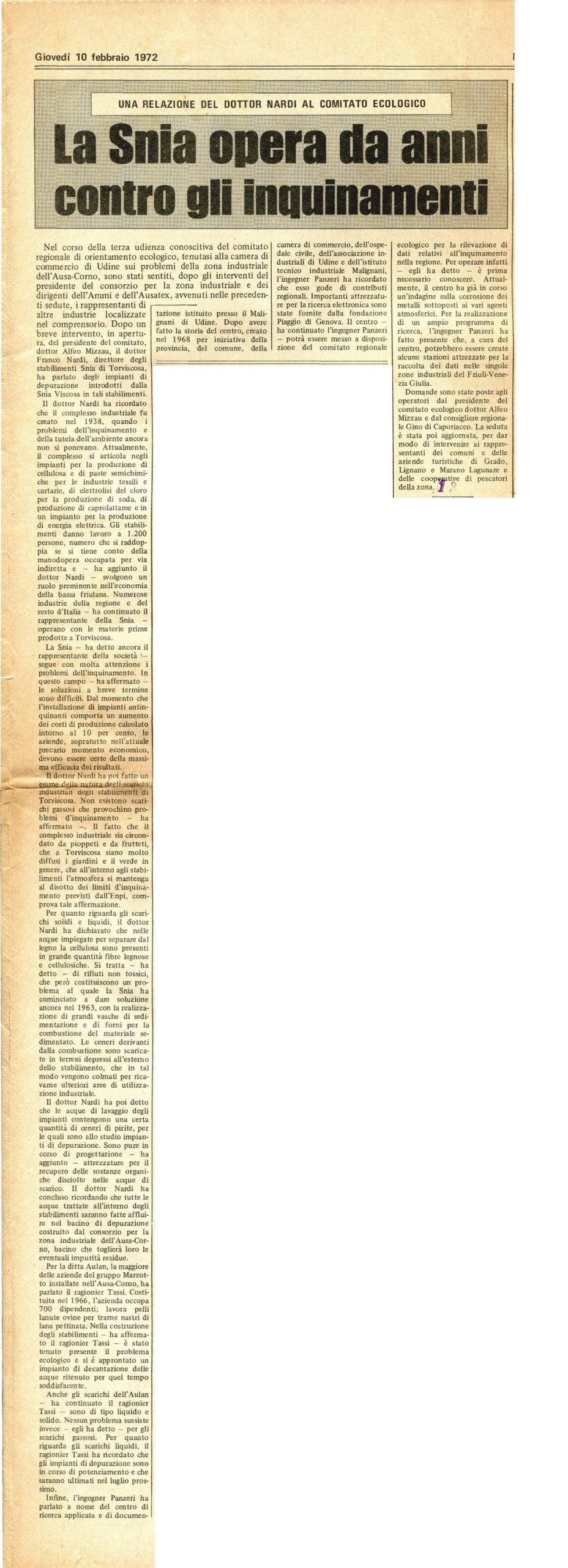
The construction of the S.A.I.C.I. plant in Torviscosa, inaugurated in 1938, was part of the autarkic project in force at the time. The company presented itself as a model of modernity and progress, both by contributing—through its cellulose production—to ensuring national productive self-sufficiency [1], and by bringing economic well-being to a rural area. At a hearing held in Udine in 1972 to discuss the problems of the Corno industrial area, Nardi, director of the cellulose plant, stated: “these plants provide employment for 1,200 people, playing an important role in the economy of Lower Friuli. Moreover, numerous industries in the Region and the rest of Italy operate using raw materials produced in Torviscosa” [2]. The focus, therefore, was placed on the social value of the factory and on its role at the national level. Economic aspects and productivity would play an important role in the face of environmental issues, both in various statements by the main actors of SAICI SNIA and within company documentation.
In this context, the environment and natural heritage were primarily considered as productive resources. At the 1972 hearing, Nardi recalled how the industrial complex had been built at a time when concerns about pollution and environmental protection had not yet emerged. Water, in particular, represented the primary resource for the plant. The agronomist Soresi, in a report published in 1939, stated that SAICI had decided to build the plant at Torre di Zuino [3] precisely because of the quantity and availability of water suitable for industrial use. This would allow navigation and the dilution of the plant’s wastewater; it was especially important for the planned expansion of the factory (which took place in 1940), which would have led to increased use of chemical agents for cellulose processing and, consequently, a greater need for water for dilution. In particular, the Company would require a total of 16 cubic meters of water per second (for both agricultural and industrial activities) [4].
The environmental issue emerged during the completion of works to double the factory’s production capacity, when the first protests arose from fishermen and lagoon farmers in the area between the mouth of the Aussa River and Marano. In particular, they complained of significant damage to fish fauna caused by water degradation. Following investigations, responsibility for this phenomenon was attributed to the wastewater discharged by the SAICI plants [5]. From the company’s side, the environmental impact caused by these discharges was initially ignored: during meetings organized between the interested parties, there were repeated absences by Marinotti himself, then president of SAICI. The dispute with the fishermen was only resolved in 1965 [6]. Subsequently, between December 1967 and January 1970, in response to various requests for information from the provincial medical officer regarding discharges, the Company stated that “the wastewater does not contain appreciable quantities of polluting substances”; specifying that, as far as cellulose processing waste was concerned, most of the “spent liquor” was recovered and used as fuel, while the remainder, given its non-toxic nature, was discharged into the dock without the need for a treatment plant. As for the soda-chlorine plant, the quantities of waste containing chemical substances were considered so negligible that they did not require a purification process [7].
It was only following increasing pressure from institutions and communities, along with gradual changes in discharge regulations, that the Company changed its approach, emphasizing on the one hand its commitment to environmental protection and, on the other, asserting the legitimacy of its practices. In 1971, the Company (first known as SAICI and later as SNIA Viscosa) declared that it had never lost sight of the need to treat or eliminate polluting discharges, stating that as early as 1953 it had been granted authorization to discharge effluents after the construction of a settling basin to separate fibrous material, and that in 1963 a cellulose fiber recovery system had been completed [8]. In 1972, Nardi recalled that facilities for treating wash water containing pyrite ash and equipment for recovering organic substances dissolved in wastewater were under study [9]. However, this environmental awareness was overshadowed by the importance of the issue, not only in terms of environmental damage but also in relation to other economic activities and public health. Following the discovery of mercury in wastewater, SNIA was forced to begin work to modify the technological process of cellulose production and to treat effluents from the various plants [10]. Although the risks associated with mercury pollution were known [11], according to the Company, “these ecological measures are at the limit of economic sustainability,” and since they would entail a significant increase in production costs [12], it was necessary “to be certain of their maximum effectiveness” [13].
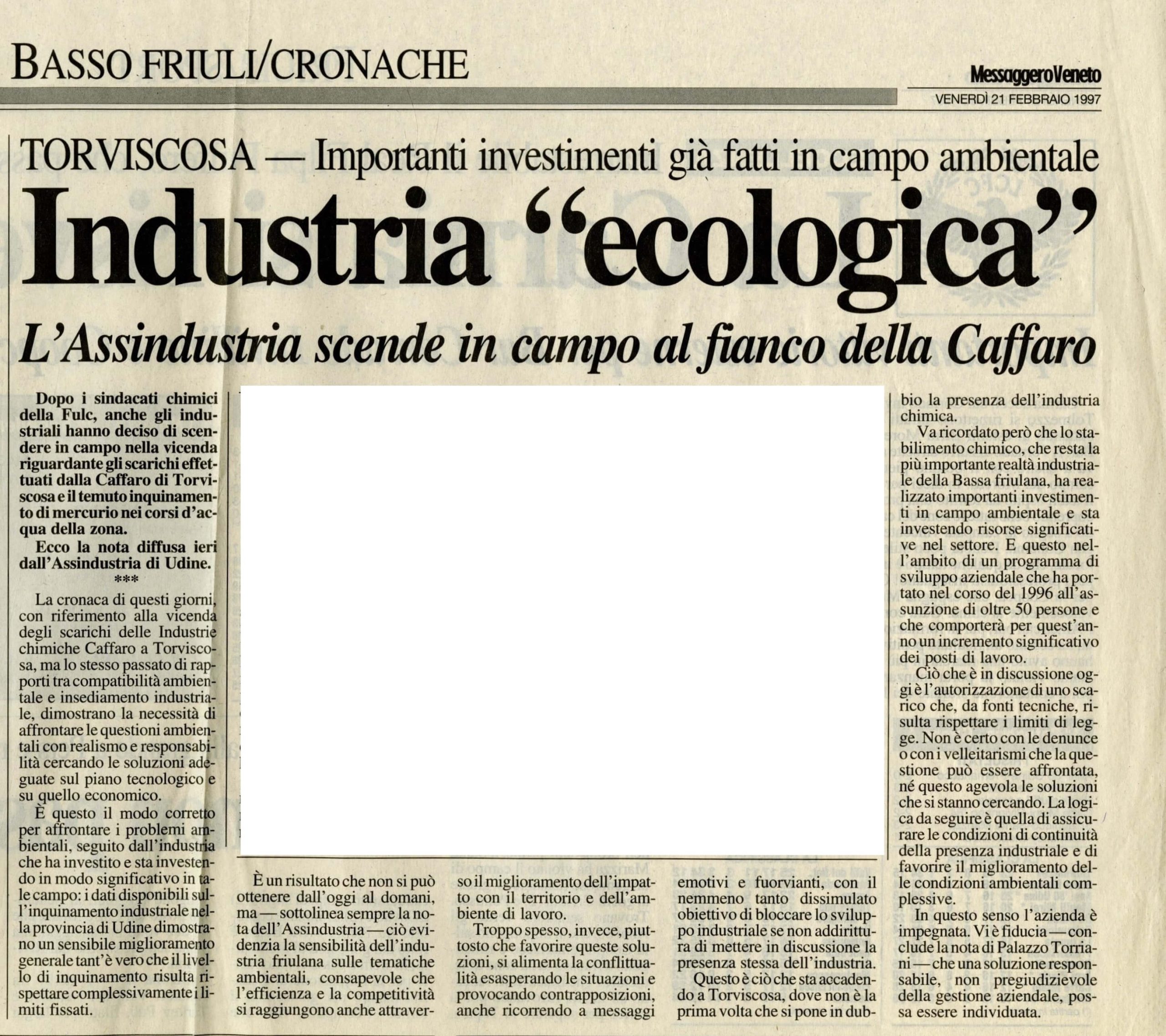
Over the years, the company reiterated that it operated in compliance with current regulations, citing previously obtained authorizations in support [14]. SNIA, in fact, claimed to hold permits for water discharges into public waters and referred to a presidential decree of 1972 and a regional law of 1971, as well as an application (dated 1973) for the revision of a 1953 authorization [15].
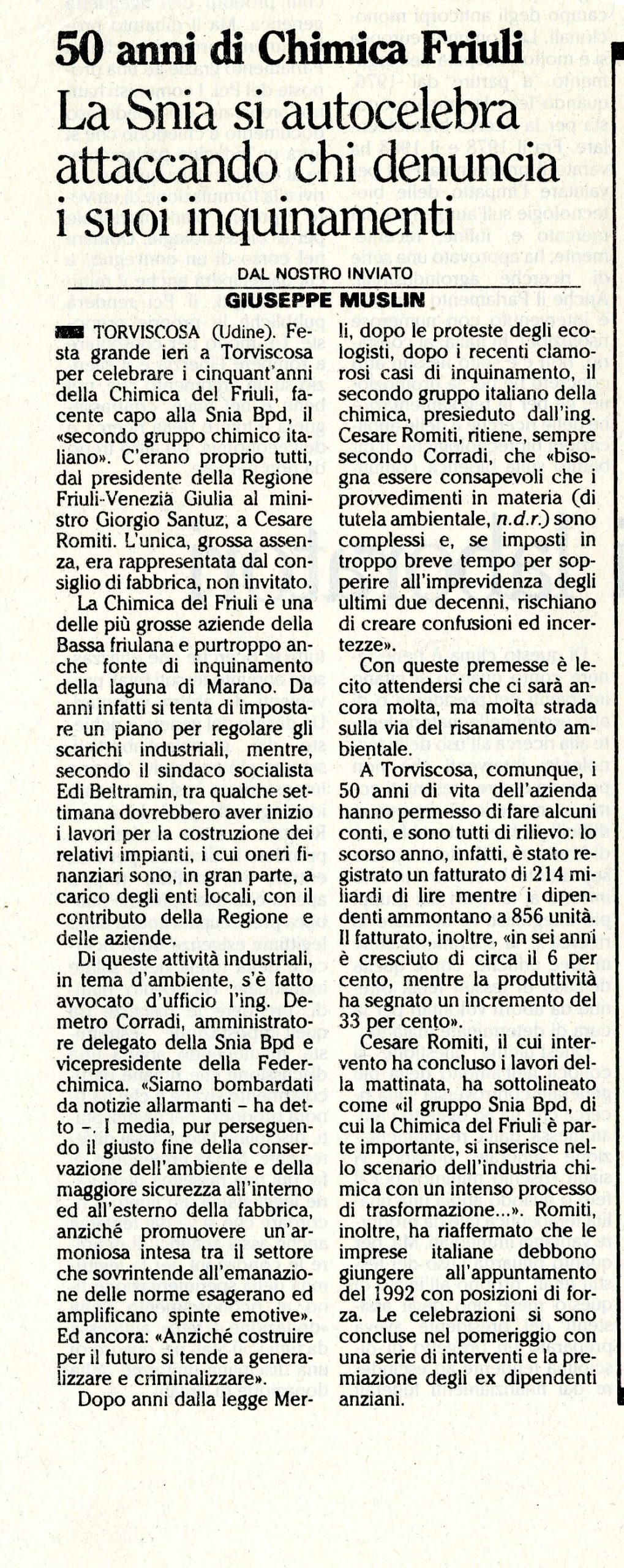
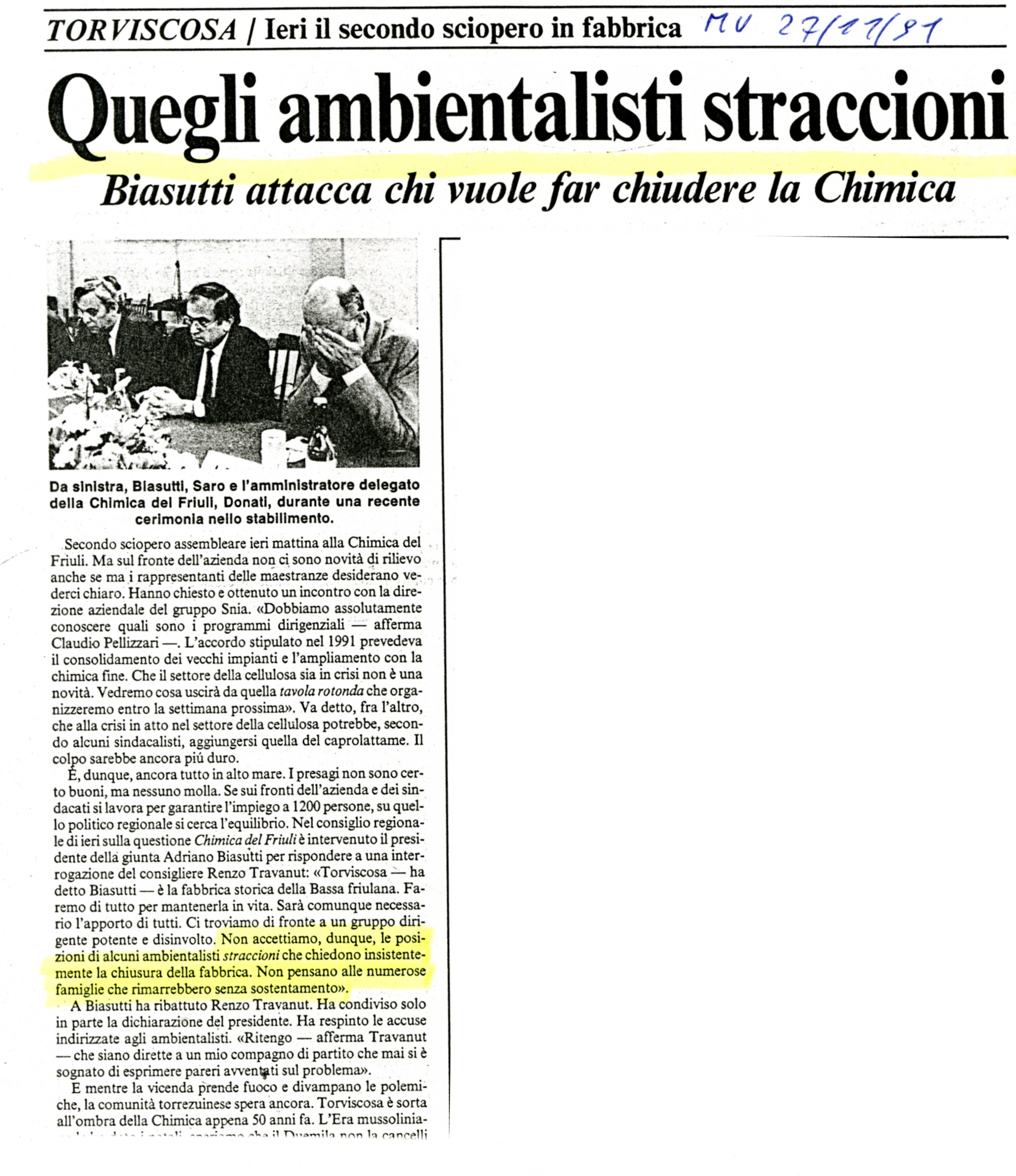
Furthermore, according to Assindustria and engineer Corradini, then CEO of SNIA BPD, media alarmism had criminalized the factory’s activities [16]. With such statements, the complexity of the long-standing environmental issue was downplayed: the aim of the protests was portrayed as an attempt to halt industrial development or to call into question the very presence of industry [17]. The then President of the Regional Government shared this view, describing environmentalists as “ragamuffins” who failed to consider the many families that would have been left without a livelihood without the factory’s activity [18].
Environmental conflicts
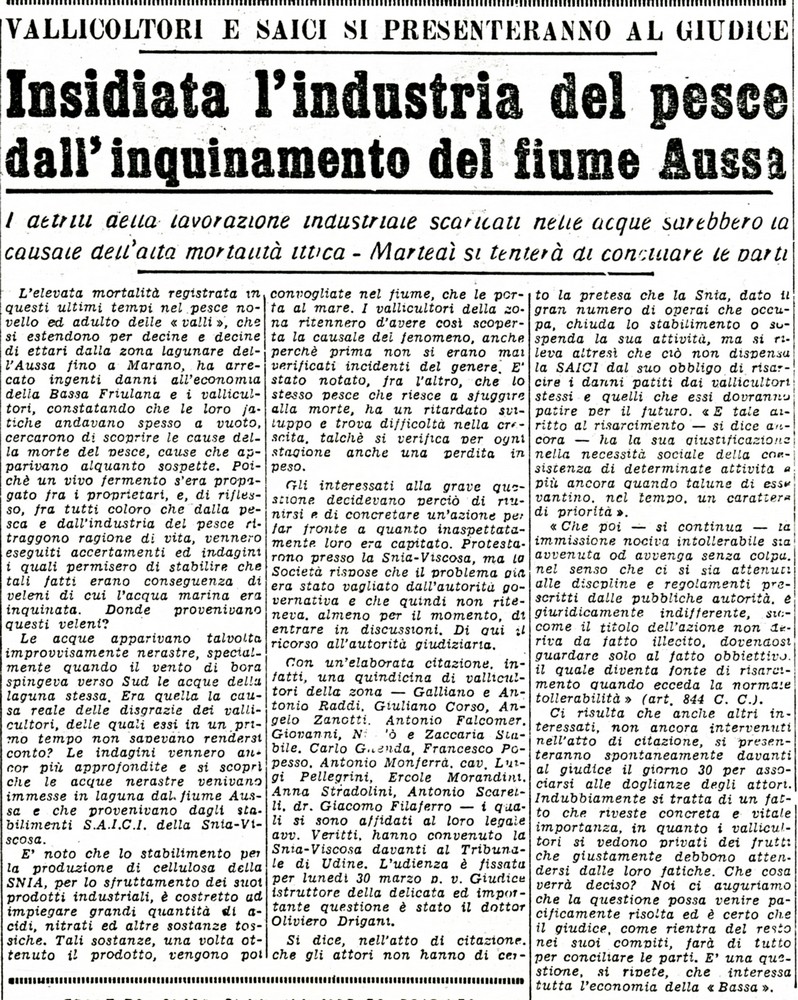
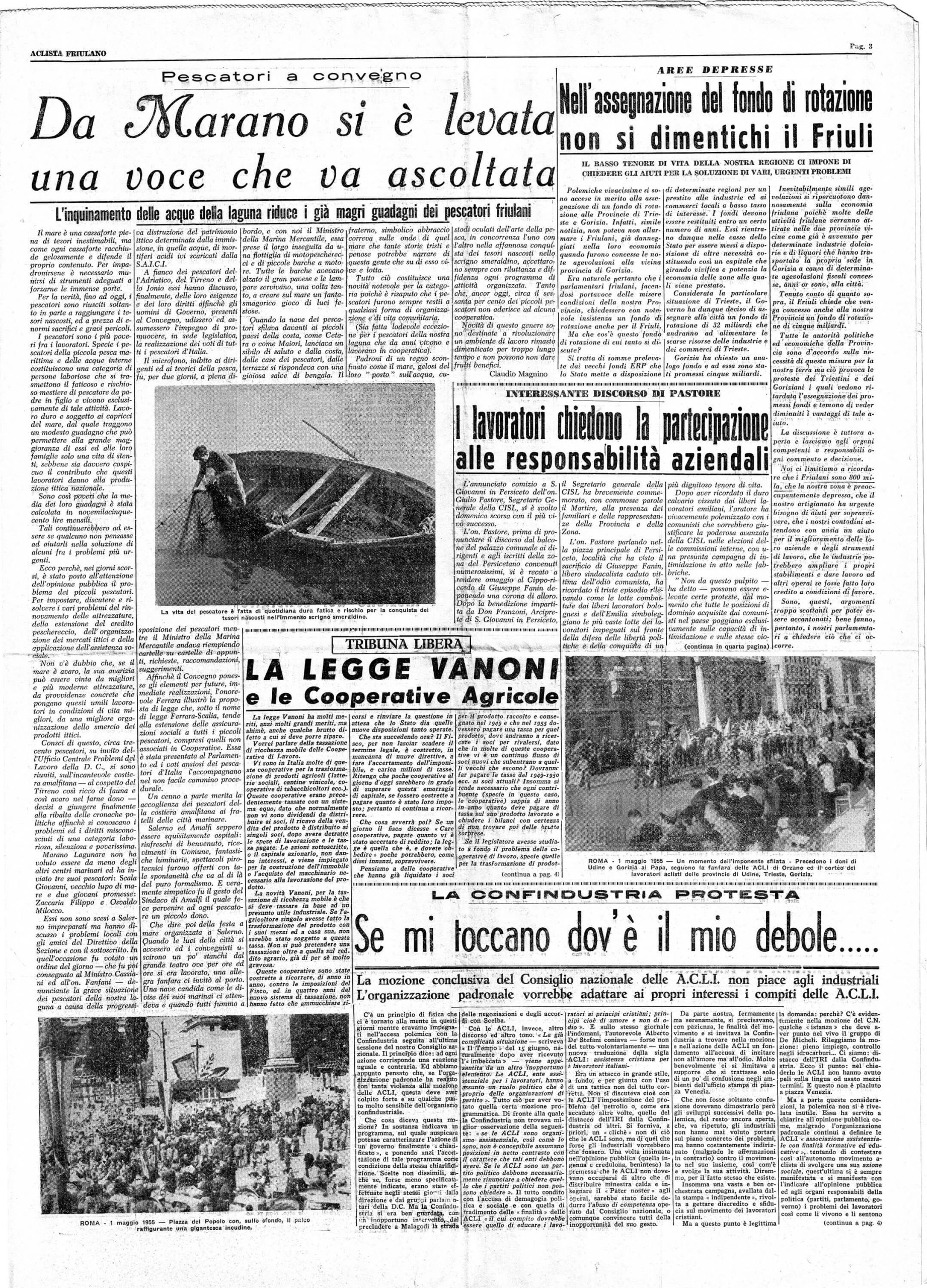
The first environmental conflicts thus arose with the protests of the fishermen of Marano Lagunare, who reported the presence of “darkened waters” that appeared to cause high mortality among both juvenile and adult fish, as well as reduced growth among those that survived. The wastewater, originating from the SAICI plants for cellulose processing, contained large quantities of acids, nitrates, and other toxic substances which, once discharged into the waters of the Aussa River, then flowed into the lagoon [19]. These findings mobilized fishermen’s cooperatives, who saw their main source of income threatened [20]. After numerous protests to which the Company did not respond, those concerned turned to the judicial authorities to summon the Company before the Court of Udine [21]. In particular, the Municipal Council of Marano Lagunare, with resolution no. 14 of 17 July 1953, authorized the mayor to initiate civil proceedings against SAICI [22]. The aim was to protect the interests of the fishermen, holders of fishing rights, and of the Municipality of Marano, as the owner of the lagoon [23]. Specifically, the intention was to obtain compensation for both the economic damage already suffered and future damages [24]. The issue was also brought to national attention during a meeting of representatives of fishermen from across Italy on the Amalfi Coast, organized by the Central Office for Labor Issues. Three local fishermen from Marano were sent, who presented a motion (discussed and approved) describing the condition of the lagoon’s fish resources following the discharges from SAICI [25].
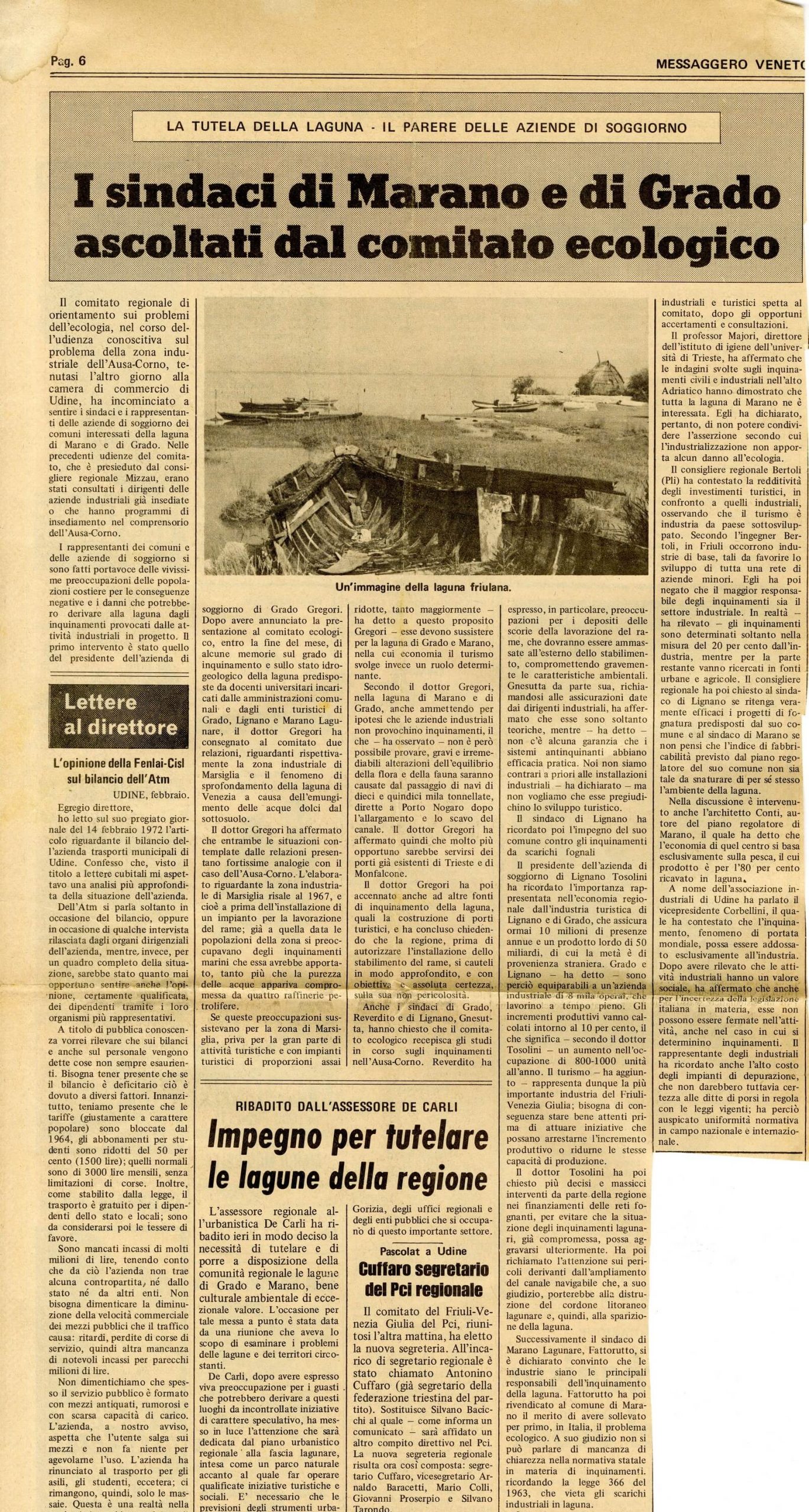
In the 1970s, with the growth of seaside tourism in Lignano and Grado, new interests emerged: tourism operators joined the protests, fearing the damage the lagoon might suffer. In February 1972, during a meeting of the Regional Committee for Guidance on Ecological Issues, mayors and representatives of local tourism boards presented their views. Gnesutta, the mayor of Lignano, stated that the presence of industries should not hinder tourism development, while Tosolini, president of the Lignano tourism board, highlighted the gross revenue generated annually by Grado and Lignano, comparing the two municipalities to a company employing eight thousand workers. In these terms, tourism was seen as the “most important industry of Friuli Venezia Giulia,” and it was therefore necessary to avoid initiatives that could compromise or halt its productivity [26].
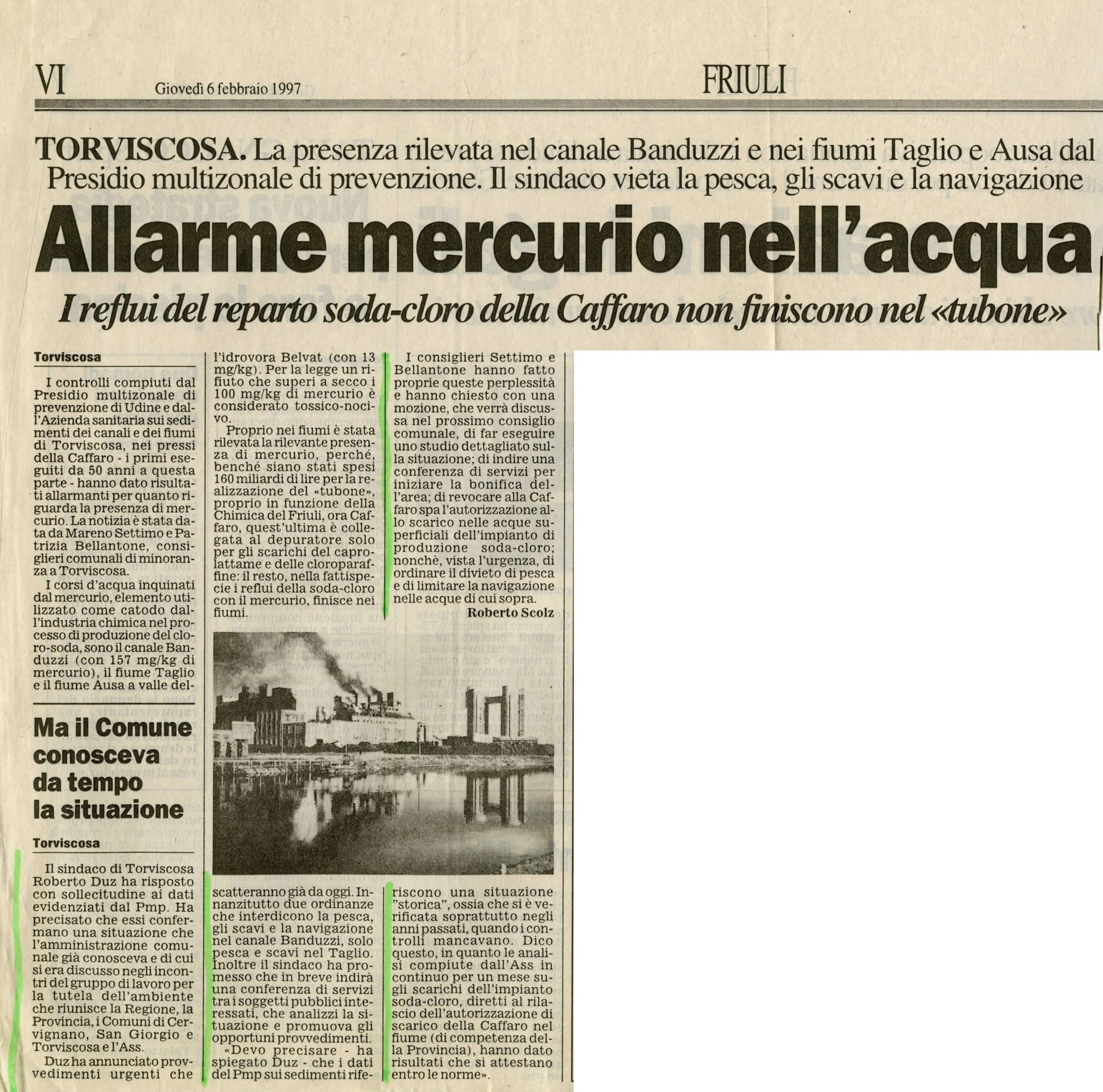
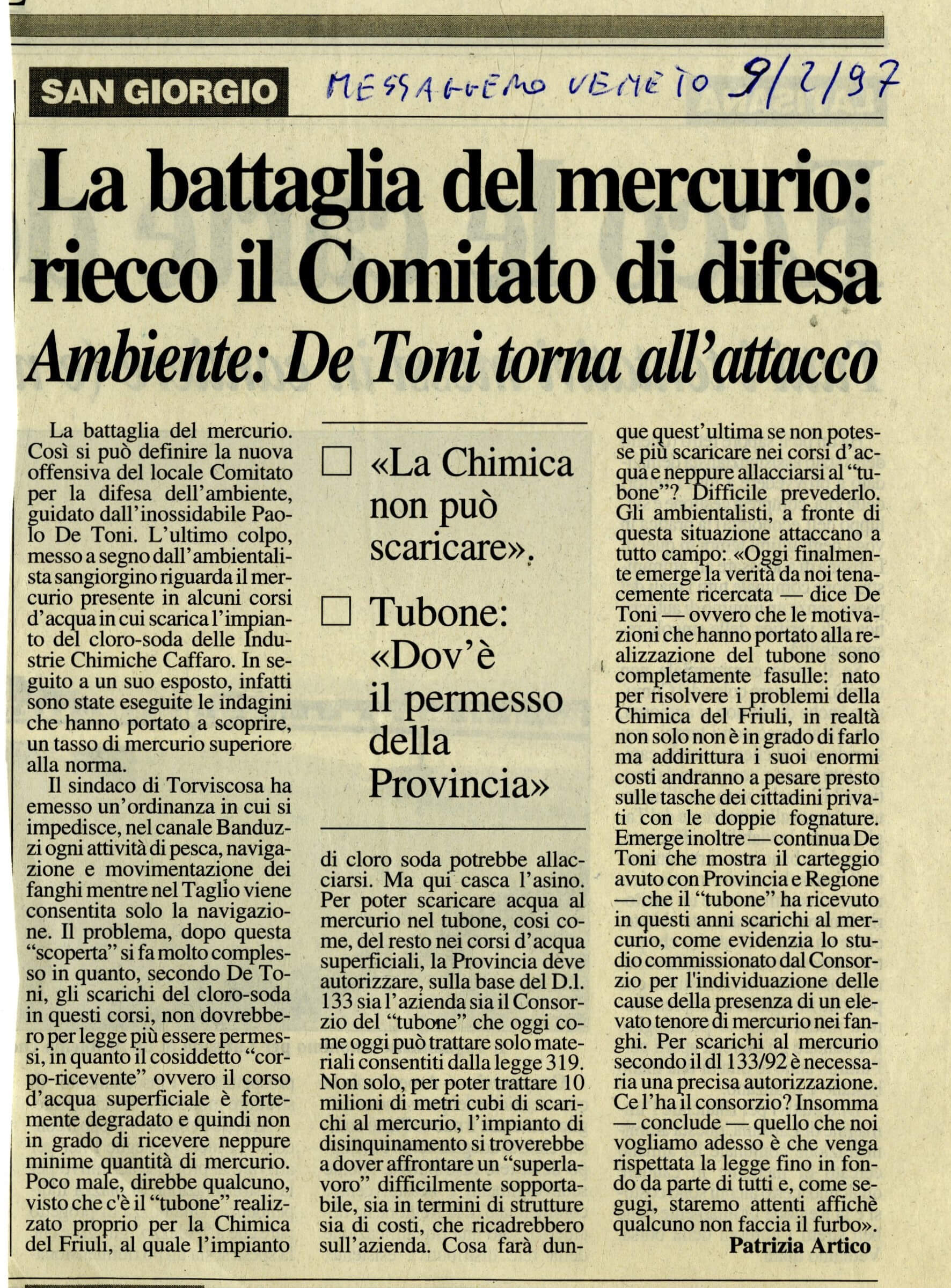
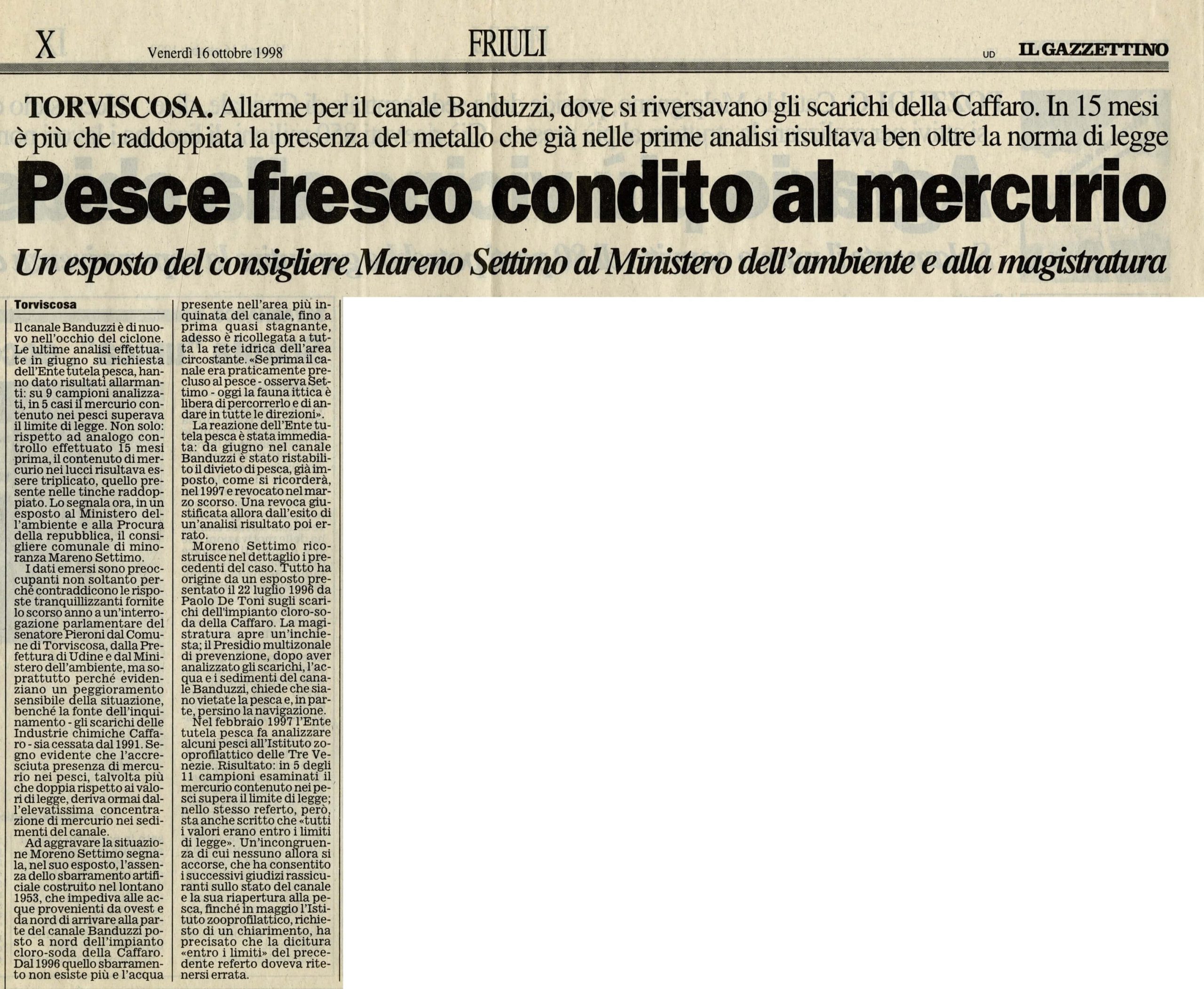
In 1971, the phenomenon of mercury bioaccumulation became known [27]. Specifically, it was discovered that microbial activity could form soluble organometallic compounds by reacting mercury with organic materials present in wastewater, allowing it to enter the food chain. Even if initially negligible, mercury concentration could progressively increase, exceeding the original amount by thousands of times. Consequently, treated effluents needed to be free of mercury (the maximum tolerated concentration being five parts per billion) [28]. In 1997, analyses conducted on the sediments of the Banduzzi Canal, the Taglio River, and the Aussa River revealed alarming levels of mercury concentration, triggering a reaction from Torviscosa municipal councillors Settimo and Bellantone, who called for a service conference to begin remediation of the area, revoke Caffaro’s authorization for discharges from the soda-chlorine production plant [29], ban fishing, and restrict navigation in the affected waters [30]. According to Paolo De Toni, an environmentalist leading the Committee for the Protection of the Local Environment, it should not have been permissible to discharge into a heavily degraded watercourse, as it was no longer capable of receiving even minimal amounts of mercury [31]. The following year, analyses carried out in the Banduzzi Canal showed that 5 out of 9 fish samples contained mercury levels exceeding legal limits. Compared to analyses conducted 15 months earlier, mercury concentrations found in pike and tench had tripled and doubled respectively, despite the cessation of discharges. The increase in mercury concentration in fish was therefore due to the mercury present in the canal’s sediments [32], which, by 2008, had come to be known as the “silver canal,” given the high concentrations of mercury detected in its waters [33].
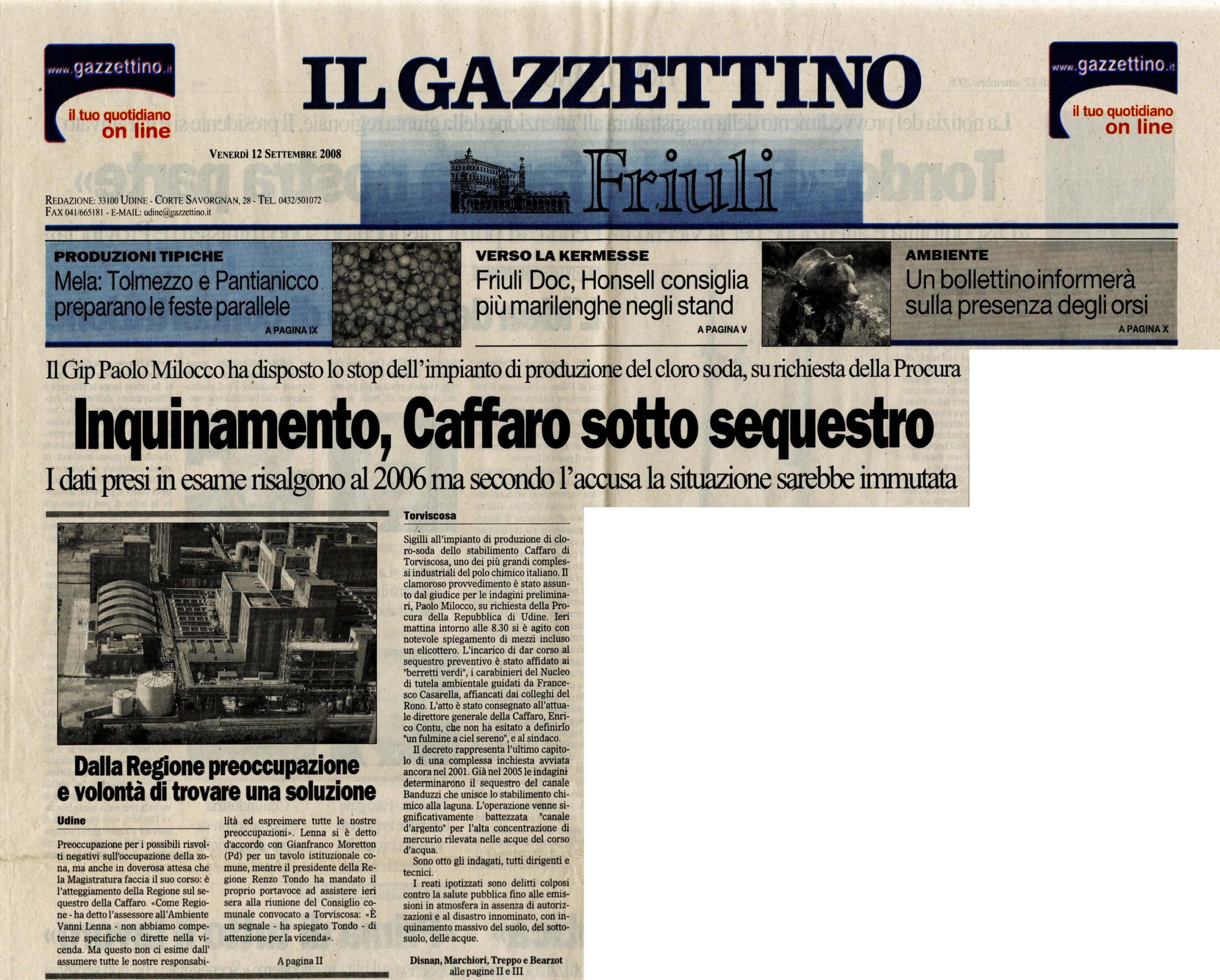
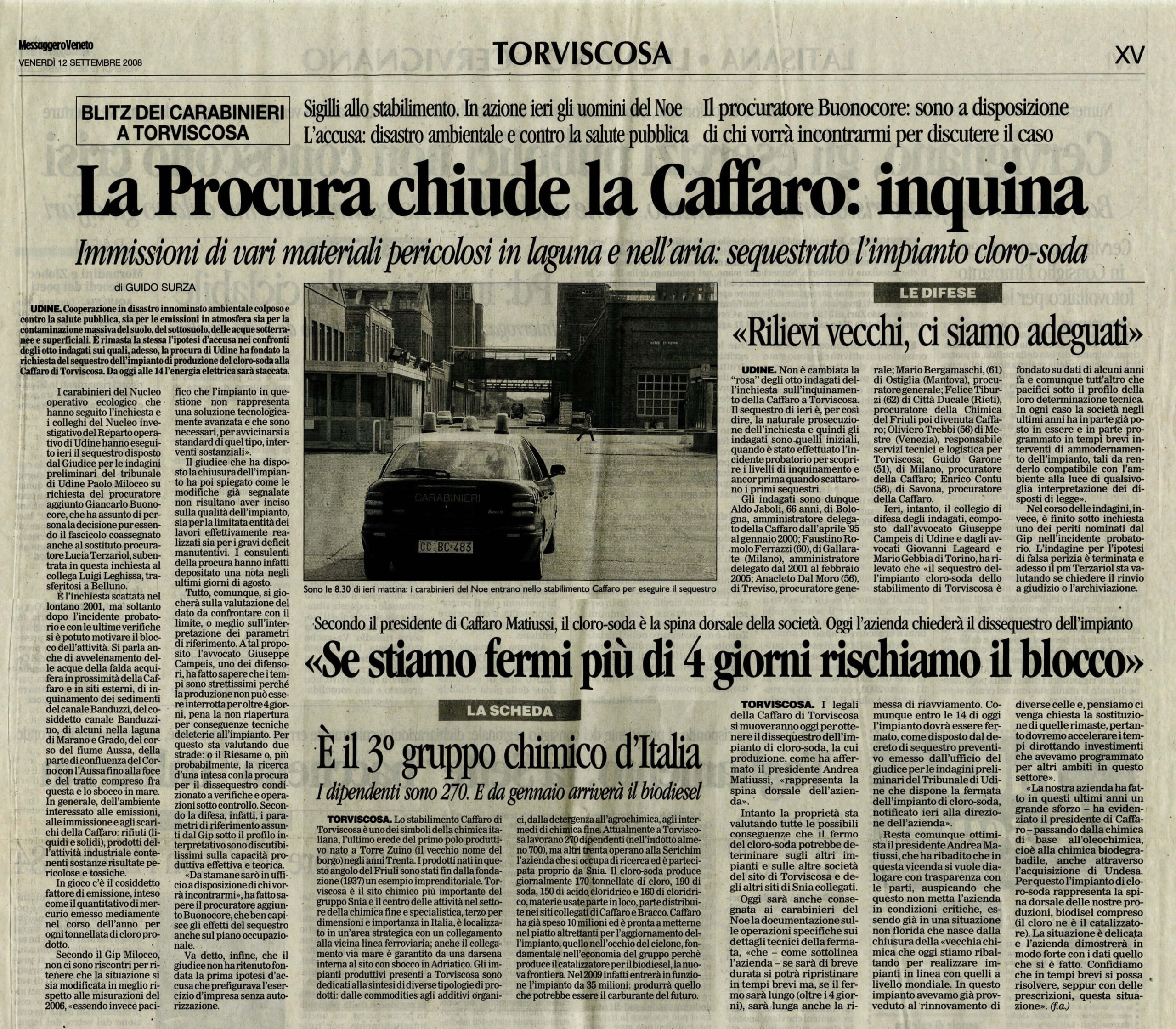
Alongside economic and strictly environmental concerns, there was growing anxiety about public health—not only regarding fish consumption and human diet, but also the health of factory workers and residents of Torviscosa. Mercury, for example, has devastating effects on human health and can potentially cause irreversible neurological disorders [34]. In September 1976, the health officer of Torviscosa asked the mayor for clarification regarding analyses conducted in May 1972 by the Provincial Laboratory of Hygiene and Prophylaxis of Udine. Until then, the documentation had remained unknown. The analyses revealed that some workers had mercury levels in their urine exceeding what was considered dangerous. Moreover, during an inspection of the SNIA plants, issues were identified concerning exposure to sulfur dioxide, mercury vapor leaks, poor ventilation, and cracks in the concrete flooring, which revealed the presence of mercury droplets [35]. In particular, regarding the concentration of toxic gases [36], analyses had been requested in August, but the situation had already been known since 1973, when SNIA workers had complained about particularly irritating emissions of sulfur dioxide and sulfuric acid. Under certain wind conditions (such as the bora), these emissions spread into the nearby residential area, causing acute intoxication. In 1979, the factory was classified as a “Class I unhealthy industry” and, as such, should have been located in an isolated rural area rather than near a residential center. In 2008, the Public Prosecutor’s Office of Udine ordered the seizure of the soda-chlorine plant and the subsequent closure of Caffaro to investigate a case of “negligent environmental disaster and harm to public health, both due to atmospheric emissions and the massive contamination of soil, subsoil, groundwater, and surface water” [37].
The convergence of various interests surrounding the issue progressively strengthened demands for active protection of the lagoon, although its natural value was only formally recognized starting in the 1990s. In this regard, the Habitat Directive (92/43/EEC) and the Birds Directive (2009/147/EC), as well as the establishment—through Regional Law no. 42/96—of two regional nature reserves (Valle Canal Novo and Foci dello Stella), were particularly important. These directives were officially implemented with Regional Government Decree no. 435/2000, through which the lagoon was recognized as a Special Area of Conservation (SAC – IT3320037) and a Special Protection Area (SPA – IT3320037) [38].
The case of Torviscosa highlights the complexity of reconciling the three fundamental dimensions of sustainability (environmental, social, and economic), which can truly be considered as such only when all are addressed together.
Note
- La produzione di cellulosa “nazionale” doveva sostituire l’importazione di cellulosa dall’estero.
- La SNIA opera da anni contro gli inquinamenti, «Messaggero Veneto», 10 febbraio 1972.
- Il Comune di Torviscosa fu costituito in seguito, nel 1940. Legge 26 ottobre 1940-XVIII n. 1621, Costituzione del Comune di Torviscosa in provincia di Udine, Gazzetta ufficiale del Regno d’Italia del 5 dicembre 1940.
- Cfr. ARCHIVIO CENTRALE DELLO STATO (d’ora in poi ACS), Ministero dell’Agricoltura e delle Foreste, Direzione generale bonifica e colonizzazione, Opere di bonifica nelle Venezie in Lombardia 1900 – 1956, b. 3, fasc. «Paludi di Fauglis approvvigionamento idrico dell’azienda di Zuino SAICI».
- Cfr. ARCHIVIO STORICO DEL COMUNE DI MARANO LAGUNARE (d’ora in poi ASCML), Deliberazioni del Consiglio comunale (1954), Deliberazione n. 20 del 14 marzo 1954, Relazione del sindaco.
- Cfr. ASCML, Deliberazioni del Consiglio comunale (1965), Deliberazione n. 16 del 9 ottobre 1965.
- Cfr. ARCHIVIO STORICO DEL COMUNE DI TORVISCOSA (d’ora in poi ASCT), Controllo ambientale, Tutela delle acque, b. 6, fasc. 7, «Indagine sugli scarichi di Snia Viscosa, Saici, Manifattura lane Gaetano Marzotto».
- Cfr. ASCT, Controllo ambientale, Tutela delle acque, b. 5, fasc. 5, Snia Viscosa: richiesta all’esercizio degli scarichi industriali. Allegato 4.
- Cfr. La SNIA opera da anni contro gli inquinamenti, «Messaggero Veneto», 10 febbraio 1972.
- Nel 1972 il Laboratorio provinciale d’igiene e profilassi di Udine trasmetteva la relazione relativa all’analisi delle acque scaricate dalla S.A.I.C.I., dalla quale risultavano fortemente inquinate con “presenza di mercurio in tracce e di altre sostanze” (anidride solforosa, ligninsolfonati, ecc.) che superavano i limiti di accettabilità stabiliti dal Ministero della Sanità. Cfr. ASCT, Controllo ambientale, Tutela delle acque, b. 7, fasc. 6, carteggio con il Comune di Torviscosa, il Laboratorio provinciale di igiene e profilassi e il Medico provinciale.
- Cfr. Ministero della Sanità, Circolare n. 212/1971.
- Cfr. ASCT, Controllo ambientale, Tutela delle acque, b. 7, fasc. 6, carteggio tra il Comune di Torviscosa, il Laboratorio provinciale di igiene e profilassi e il Medico provinciale.
- La SNIA opera da anni contro gli inquinamenti, «Messaggero Veneto», 10 febbraio 1972.
- Il primo permesso di versare i rifiuti industriali nelle acque del canale Banduzzi, ottenuto dalla S.A.I.C.I. in via provvisoria, fu rilasciato dalla Prefettura di Udine nel 1943. Decreto del Prefetto di Udine n. 20036/III, 24 settembre 1943.
- Cfr. ASCT, Controllo ambientale, Tutela delle acque, b. 5, fasc. 6, Snia Viscosa: richiesta di proroga all’attuazione del programma di adeguamento alla tab. C degli scarichi industriali.
- Cfr. La SNIA si autocelebra attaccando chi denuncia i suoi inquinamenti, «L’unità», 25 settembre 1988.
- Cfr. Industria “ecologica”, «Messaggero Veneto», 21 febbraio 1997.
- Cfr. Quegli ambientalisti straccioni, «Messaggero Veneto», 27 novembre 1991.
- Cfr. Insediata l’industria del pesce dall’inquinamento del fiume Aussa, «Il gazzettino», 26 marzo 1953.
- Cfr. Da Marano si è levata una voce che va ascoltata, «L’aclista friulano», 1955.
- Cfr. Insediata l’industria del pesce dall’inquinamento del fiume Aussa, «Il gazzettino», 26 marzo 1953.
- Cfr. ASCML, Deliberazioni del Consiglio comunale (1953), Deliberazione n. 14 del 17 luglio 1953.
- Cfr. ASCML, Deliberazioni del Consiglio comunale (1954), Deliberazione n. 20 del 14 marzo 1954, «Relazione del sindaco».
- Cfr. Insediata l’industria del pesce dall’inquinamento del fiume Aussa, «Il gazzettino», 26 marzo 1953.
- Cfr. Da Marano si è levata una voce che va ascoltata, «L’aclista friulano», 1955.
- I sindaci di Marano e di Grado ascoltati dal comitato ecologico, «Messaggero Veneto», febbraio 1972.
- Il Medico Provinciale invia a tutte le istituzioni provinciali preposte alla tutela della salute pubblica il contenuto della Circolare n. 212 del Ministero della Sanità. Si veda nota [11]
- Cfr. Ministero della Sanità, Circolare n. 212/1971.
- Il mercurio era usato come catodo nel processo di produzione della soda-cloro.
- Cfr. Allarme mercurio nell’acqua, «Il gazzettino», 6 febbraio 1997.
- Cfr. La battaglia del mercurio: riecco il Comitato di difesa, «Messaggero Veneto», 9 febbraio 1997.
- Cfr. Pesce fresco condito al mercurio, «Il gazzettino», 16 ottobre 1998.
- Cfr. Inquinamento, Caffaro sotto sequestro, «Il gazzettino», 12 settembre 2008.
- Cfr. Ministero della Sanità, Circolare n. 212/1971.
- ASCT, Controllo ambientale, Tutela delle acque, b. 7, fasc. 6, Legge n. 319 del 10 maggio 1976 – norme per la tutela delle acque dall’inquinamento SNIA Viscosa II.
- Gas tossici quali, in particolare, vapori di mercurio, anidride solforosa, anidride solforica, acido solforico e cloro. ARCHIVIO STORICO DEL COMUNE DI TORVISCOSA, Controllo ambientale, Inquinamento atmosferico, b. 3bis, fasc. 16, Richieste di indagini al Laboratorio di igiene e profilassi di Udine.
- La Procura chiude la Caffaro: inquina, «Messaggero Veneto», 12 settembre 2008.
- La Zona Speciale di Conservazione (ZSC) è un sito indicato per la protezione di habitat e specie animali e vegetali significative a livello europeo, mentre la Zona di Protezione Speciale (ZPS) è un sito indicato per la tutela delle specie di uccelli selvatici e dei loro habitat.
 Manufacturing plant